
Accounting Software for Dental Practices: Why 2026 Is the Year to Ditch the Spreadsheet
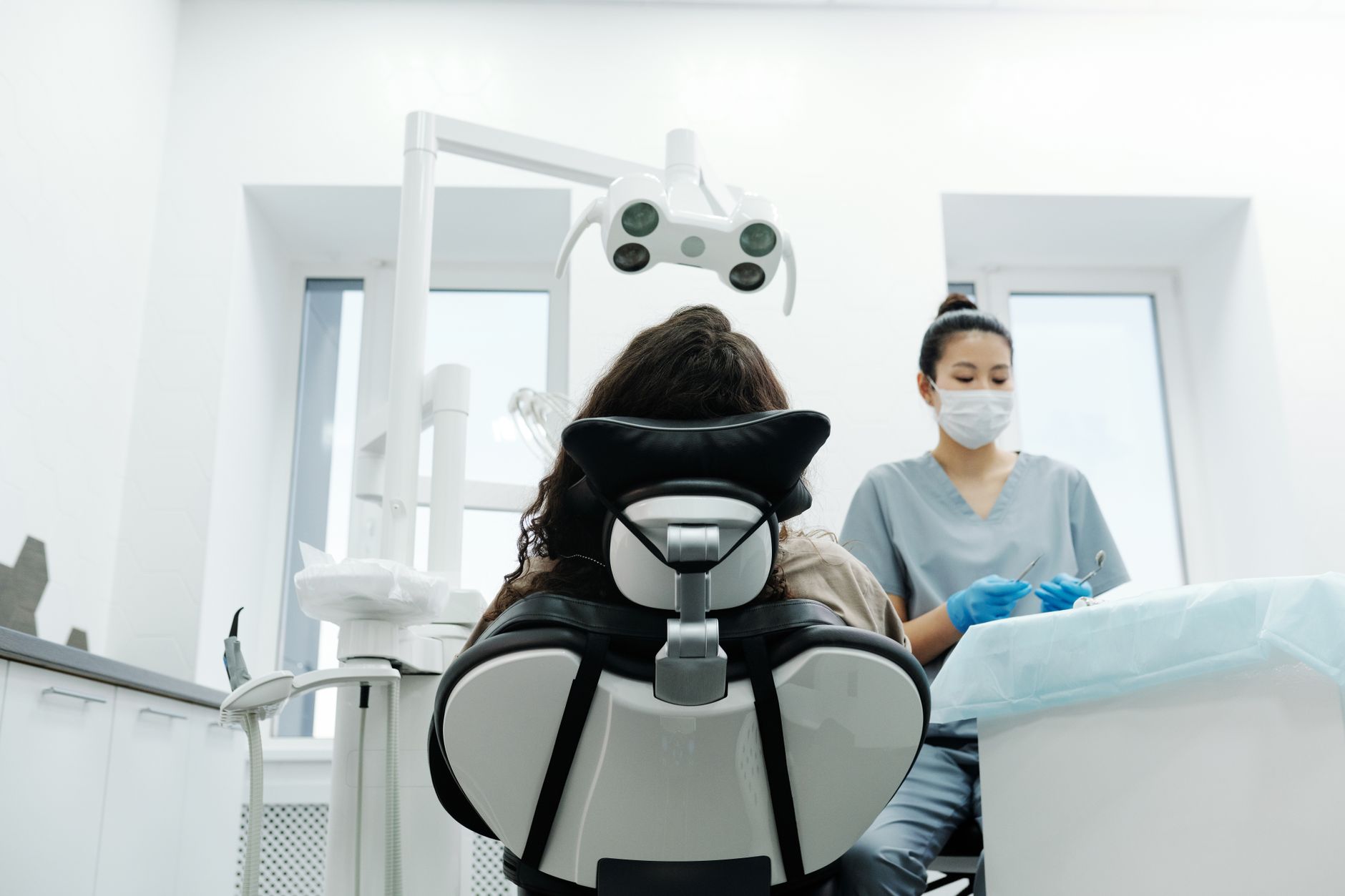
The dental industry is undergoing its biggest financial transformation in decades. With Dental Service Organizations (DSOs) now controlling over 55% of U.S. dental practices—up from just 10% in 2010—independent dentists and growing group practices alike are scrambling to professionalize their back-office operations. Add in the IRS’s 2026 push for stricter 1099-K reporting on payment apps, and the old system of shoebox receipts and Excel spreadsheets isn’t just inefficient anymore—it’s a liability.
If you’re still managing your practice finances with generic tools or, worse, paper ledgers, you’re leaving money on the chair. The right accounting software for dental practices does far more than track income and expenses. It integrates with your practice management system, automates insurance reconciliation, handles payroll across hygienists and associates, and gives you the real-time financial visibility you need to compete in an increasingly consolidated market.
This guide breaks down what makes dental-specific accounting different, what features actually matter in 2026, and how to choose a platform that grows with your practice—whether you’re a solo practitioner or scaling toward your first acquisition.
Why Dental Practices Can’t Settle for Generic Accounting Software
Most small business accounting tools treat every industry the same. They don’t understand that your revenue comes from a chaotic mix of insurance reimbursements, patient co-pays, payment plans, and occasional cash transactions. They don’t know that your cost of goods sold includes dental supplies with fluctuating prices, or that your payroll structure involves production-based bonuses for associates.
Dental-specific accounting software bridges these gaps. Here’s what generic tools miss:
- Insurance aging reports: Dental practices typically wait 30-90 days for PPO reimbursements. You need software that tracks outstanding claims by carrier, not just “accounts receivable.”
- Procedure-level profitability: A crown doesn’t have the same margin as a cleaning. Integration with your practice management system (Dentrix, Eaglesoft, Open Dental) lets you map revenue to specific procedures.
- Equipment depreciation: That $150,000 CBCT scanner or intraoral scanner needs specialized fixed-asset tracking with Section 179 and bonus depreciation calculations.
- Associate compensation models: Whether you pay 25% of collections, 30% of production, or a hybrid model, payroll gets complicated fast.
In 2026, with dental supply costs up 12% year-over-year according to the Health Industry Distributors Association, visibility into these numbers isn’t optional—it’s survival.
The 5 Non-Negotiable Features for Dental Accounting in 2026
Not every platform marketed to dentists delivers. After analyzing the current landscape, here are the capabilities that separate serious tools from dressed-up generic software:
1. Native Practice Management Integration
Look for direct API connections, not clunky CSV imports. The best accounting software for dental practices in 2026 offers real-time sync with at least two of the “big three” systems: Dentrix, Eaglesoft, and Open Dental. This eliminates dual data entry and ensures your daily production numbers flow straight into your P&L.
2. Automated Insurance Reconciliation
Manually matching EOBs to deposits wastes 6-10 hours weekly for the average practice. Modern platforms use AI to match insurance payments to claims, flag discrepancies, and even identify underpayments by carrier. One DSO we spoke with recovered $340,000 in underpaid claims in their first year using automated reconciliation.
3. Multi-Entity Support for Growth
Even if you’re solo now, choose software that handles multiple tax IDs, intercompany transactions, and consolidated reporting. The average DSO-affiliated practice joins a group with 4.2 locations—if your software can’t scale, you’ll face a painful migration later.
4. Built-In Dental KPI Dashboards
You need to see more than profit and loss. Essential dental metrics include:
- Production per provider (hourly and daily)
- Collection ratio (target: 98%+)
- Overhead percentage (industry benchmark: 59-67% for general practices)
- New patient acquisition cost
- Hygiene reappointment rate
5. 2026-Ready Compliance Features
With the Corporate Transparency Act’s beneficial ownership reporting requirements and evolving state-level dental tax regulations, compliance automation matters. Look for automatic 1099 generation, sales tax tracking on retail products, and audit-ready document retention.
Top Platforms Worth Evaluating This Year
The market for accounting software for dental practices has matured significantly. While we don’t rank products here, these categories represent where practices are actually finding success in 2026:
Dental-specific suites: Platforms like Dental Intelligence (with financial modules), Jarvis Analytics, and Denti.Ai have expanded from pure analytics into full accounting. They’re strongest on KPIs and practice integration but may lack sophisticated payroll or multi-entity features.
Healthcare-vertical cloud accounting: Sage Intacct and NetSuite have healthcare modules gaining traction with multi-location DSOs. Expect to invest $15,000-50,000 annually for implementation and licensing, but the scalability is unmatched for practices with 5+ locations.
Small-practice hybrids: QuickBooks Online with dental-specific apps (like DentalBookkeeper or Method:CRM with dental integrations) remains popular for solo practitioners. Cost stays under $300/month, but you’ll sacrifice some automation and spend more time on configuration.
Emerging AI-native platforms: Startups like Basis (formerly Bench’s healthcare vertical) and HealPay are attracting younger dentists with AI-driven categorization and predictive cash flow. They’re affordable but less proven for complex DSO structures.
The right choice depends on your current size, growth trajectory, and how much you value integration depth versus flexibility.
Implementation: The 90-Day Roadmap Most Practices Ignore
Buying software is easy; deploying it without disrupting patient care is the hard part. After interviewing practice managers who completed successful transitions, here’s the timeline that actually works:
Days 1-30: Foundation and Cleanup
- Run parallel systems. Don’t touch live data until reconciliation proves accuracy.
- Clean your chart of accounts. Map every procedure code to a revenue category.
- Reconcile the last 12 months of insurance payments manually to establish baseline accuracy.
Days 31-60: Integration and Training
- Connect your practice management system and test with one week’s data.
- Train your office manager and any bookkeepers on dental-specific workflows.
- Set up automated rules for recurring transactions (rent, supply orders, loan payments).
Days 61-90: Optimization and KPI Activation
- Activate dashboard alerts for collection ratios below 95% or overhead exceeding targets.
- Build your first monthly financial review rhythm with your CPA or dental-specific advisor.
- Document procedures so staff turnover doesn’t destroy your system.
Practices that rush this process average 4.2 months of reporting errors before stabilization, according to data from the Dental Accounting Association. Those who follow a structured 90-day plan typically achieve clean books within six weeks.
Conclusion: Treat Your Books Like Your Patient Records
You wouldn’t diagnose a root canal with a manual X-ray from 1995. Yet thousands of dental practices are making million-dollar decisions—hiring associates, opening locations, selling to DSOs—based on financial information that’s outdated, incomplete, or just plain wrong.
The consolidation wave in dentistry isn’t slowing. DSOs are acquiring practices with 15-20% EBITDA premiums for those with clean, auditable financials. Independent practices with modern accounting software for dental practices can compete on efficiency and patient experience rather than scale alone.
Whether you’re fighting to stay independent or building your own group, your financial infrastructure is now a competitive weapon. The tools available in 2026 make professional-grade accounting accessible to practices of every size. The only question is whether you’ll implement them before your competitors do.
Start your evaluation this quarter. Run a 30-day trial with your actual practice data. And if you need help comparing platforms for your specific setup, our team at FinancialAdminPros reviews dental accounting tools quarterly—reach out for our latest comparison matrix.
Like what you're reading?
Check out our recommended partner for this niche.
Custom Financial Software — HamDevCo →