
Start Smart: The Ultimate Small Business Bookkeeping Checklist for First-Time Entrepreneurs
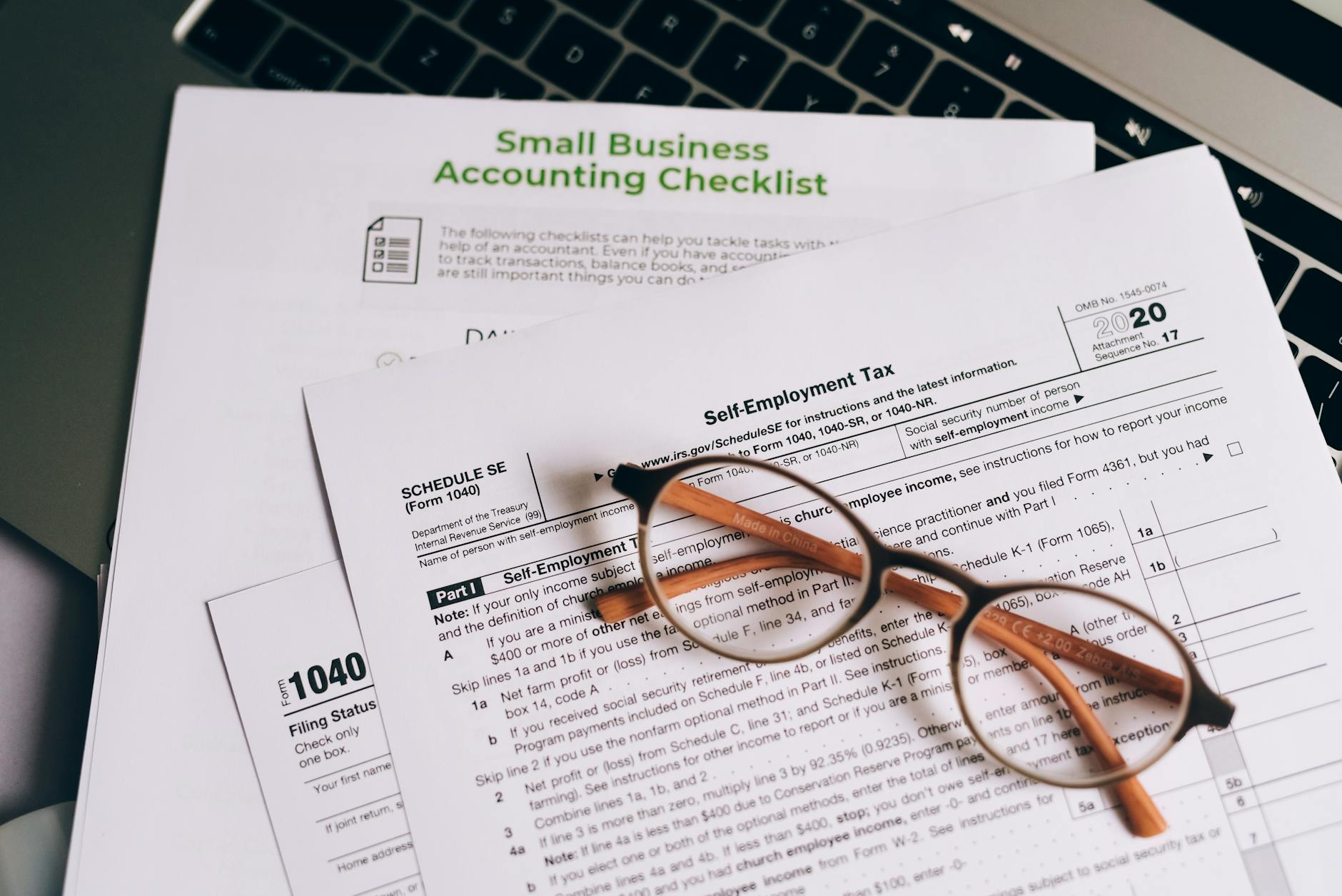
You finally did it. The LLC is formed, the website is live, and you’re ready to take on your first paying clients. But then the panic sets in: How do I actually keep track of the money? If you’ve ever stared at a pile of receipts wondering what’s deductible, or if mixing your personal and business debit card feels like a ticking time bomb, you’re not alone. Most first-time entrepreneurs learn bookkeeping through trial and error—and expensive mistakes. It doesn’t have to be that way.
This small business bookkeeping checklist for first-time entrepreneurs strips away the jargon and gives you a clear, repeatable system. Whether you’re a freelance designer, a boutique shop owner, or a solo consultant, these steps will save you hours of headache, keep the IRS happy, and show you exactly whether your business is actually making money. No accounting degree required.
1. Lay the Foundation: Separate Business and Personal Finances
Before you record a single transaction, draw a hard line between your business and personal money. This one move prevents countless bookkeeping nightmares and keeps your legal protections intact.
Open a dedicated business checking account the moment you have an EIN or start operating. Even if you’re a sole proprietor, a separate account creates a clean audit trail. Then, get a business credit or debit card and use it exclusively for business expenses. I’ve seen entrepreneurs waste entire weekends untangling personal grocery runs from software subscriptions—don’t be that person.
If you’ve already mingled funds, stop now. Go back and reimburse your business for any personal expenses you accidentally paid from the business account, and vice versa. Document everything. This small business bookkeeping checklist for first-time entrepreneurs starts with a simple mantra: one business, one set of accounts.
2. Choose Your Accounting Method and Tools
You can’t build a system without deciding how you’ll track income and expenses. The two main methods are cash basis and accrual basis. For most new service-based businesses, cash basis—recording income when you receive it and expenses when you pay them—is simpler and gives you a real-time view of your bank balance. Accrual accounting matches revenue to when it’s earned, which is required if you carry inventory or hit certain revenue thresholds. Unsure? Start with cash basis and switch later if needed.
Next, pick the right software. A spreadsheet might feel tempting, but it can’t automate bank feeds, send invoice reminders, or generate tax-ready reports. For first-time entrepreneurs, I recommend:
- Wave (free, solid for invoicing and basic bookkeeping)
- QuickBooks Simple Start (robust, integrates with banks, $15–$30/month)
- Xero (great for growing businesses with multiple users)
- FreshBooks (ideal if you bill by the hour and need project tracking)
Choose one and connect your business bank account immediately. Automated transaction imports turn a monthly chore into a 10-minute review session. That’s the beauty of a well-designed small business bookkeeping checklist for first-time entrepreneurs—it leans on technology so you don’t have to.
3. The Weekly and Monthly Bookkeeping Routine
Consistency beats cramming every time. Block 15–30 minutes each week and a slightly longer session at month-end. Here’s your repeatable rhythm:
Weekly (15 minutes):
- Categorize every imported transaction (software, meals, office supplies, contractor payments, etc.).
- Attach digital receipts or notes to transactions that might raise questions later.
- Send any overdue invoice reminders—cash flow depends on it.
- Check your business bank balance against your software balance for odd discrepancies.
Monthly (30–60 minutes):
- Reconcile every account: match your bank and credit card statements line by line with your books. This catches missing entries, duplicate charges, and fraud early.
- Review your profit and loss statement (P&L). Are you in the black? Which expenses crept up?
- Record any owner’s draws or personal contributions clearly.
- Set aside money for taxes—aim for 25–30% of net income into a separate high-yield savings account.
If you do nothing else, reconcile monthly. An unreconciled account is like driving with a fogged-up windshield. You might be moving, but you can’t see the obstacles ahead.
4. Tax-Ready Recordkeeping from Day One
Tax time shouldn’t feel like an archaeological dig. Build compliance into your daily operations so you never scramble for documentation.
First, understand what the IRS requires. For any expense you plan to deduct, you need to prove it was both ordinary and necessary for your business. A receipt alone isn’t enough—you need the business purpose, date, amount, and the relationship to your work. Use your bookkeeping software’s receipt capture feature or a dedicated app like Dext to snap photos immediately. I tell clients: if you don’t capture it within 24 hours, it’s as good as lost.
Key recordkeeping habits:
- Mileage log: If you drive for business, use an app like MileIQ. The IRS standard mileage rate changes yearly; a manual notebook is acceptable but error-prone.
- Home office deduction: Measure your dedicated workspace square footage. Keep utility bills and rent/mortgage statements handy.
- Estimated tax payments: Most new entrepreneurs forget that taxes are pay-as-you-go. Mark your calendar for April 15, June 15, September 15, and January 15. Calculate your quarterly payment using Form 1040-ES or ask your bookkeeper.
- 1099-NEC forms: If you paid any contractor $600 or more during the year, you must issue a 1099-NEC by January 31. Collect W-9s before you pay them the first time.
A small business bookkeeping checklist for first-time entrepreneurs that ignores tax readiness is only half the picture. Treat taxes as a monthly habit, not an annual event.
5. Financial Health Checkups: Reports You Can’t Ignore
Bookkeeping isn’t just about staying out of trouble—it’s the dashboard for your business. At least once a month, pull these three reports and spend 10 minutes interpreting them.
Profit & Loss Statement (Income Statement)
Shows revenue, costs, and expenses over a period. Look at your net profit margin (net income divided by revenue). A healthy service business often targets 15–30% after owner compensation. If it’s consistently below 10%, dig into your pricing or expense structure.
Balance Sheet
A snapshot of what you own (assets), what you owe (liabilities), and your equity. For a new entrepreneur, the key line is the cash balance and any outstanding credit card debt. If liabilities grow faster than assets, you’re financing operations with debt—a red flag.
Cash Flow Statement
Reveals how cash moves in and out. Profit doesn’t equal cash; you can be profitable on paper but run out of money if clients pay late. Watch your operating cash flow. If it’s negative several months in a row, tighten payment terms or build a cash reserve.
Set a quarterly date to compare these reports to the same quarter last year (once you have history). Trends matter more than a single month. This review turns your small business bookkeeping checklist for first-time entrepreneurs into a strategic growth tool, not just a compliance chore.
Your Action Plan Starts Today
You don’t need to master debits and credits to keep immaculate books. You just need a system and the discipline to follow it. Here’s the quick-start version of everything we covered:
- Open a separate business bank account and credit card this week.
- Pick a cloud accounting tool and connect your accounts.
- Block a recurring 20-minute weekly appointment for categorization and invoice review.
- Reconcile
Like what you're reading?
Check out our recommended partner for this niche.
Custom Financial Software — HamDevCo →